Jelly Rainbow: A Charming Handwritten Font
There’s a quiet thrill in choosing the right font for a project. Whether it’s a blog header, a newsletter graphic, or a printable planner, the typeface sets the tone before a single word is read. For a recent lifestyle blog redesign, I found myself drawn to Jelly Rainbow—a chic and trendy handwritten font that adds a touch of personality without overwhelming the reader.
The Visual Character of Jelly Rainbow
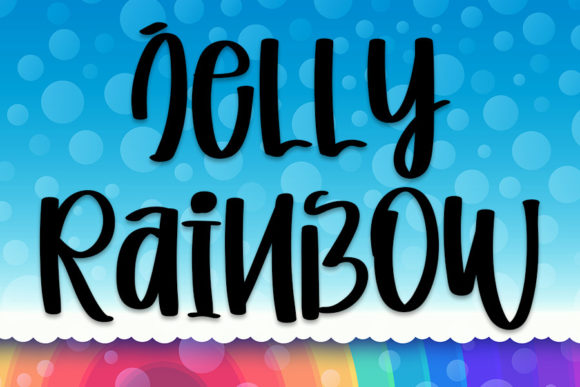
Jelly Rainbow carries a soft, organic rhythm that feels both modern and nostalgic. Its curves are gentle, its strokes vary just enough to suggest handcrafted authenticity, and its overall shape gives it a playful yet refined presence. It’s not overly ornate, but it has a distinct character that makes it stand out in editorial layouts. The font’s visual appeal lies in its balance between spontaneity and structure, making it ideal for projects that want to feel personal without sacrificing clarity.
Real-World Applications
Testing Jelly Rainbow in a recipe ebook, I found it worked well as a title font, adding a warm, inviting feel to each chapter opener. In a wedding guide, it brought a sense of celebration to section headings and pull quotes. For a coaching workbook, it added a friendly, approachable tone to key phrases and motivational statements. The font also shone in newsletter headers and social media graphics, where its expressive style helped create a cohesive brand identity.
However, its expressive nature means it’s best suited for display purposes rather than body text. In longer reading passages, especially on small screens or in print, Jelly Rainbow can become difficult to follow. That’s not to say it’s unreadable—it just requires thoughtful placement and pairing with more legible fonts for supporting content.
Supporting Editorial Mood and Readability
In editorial design, mood is everything. Jelly Rainbow contributes a sense of creativity and warmth that aligns well with lifestyle, DIY, and wellness content. Its softness pairs well with clean, readable typefaces like a serif font for body copy or a sans serif font for captions and navigation. This kind of font pairing ensures that the design remains visually engaging while maintaining clarity and accessibility.
For a digital magazine layout, I used Jelly Rainbow as a headline font, reserving it for section titles and featured stories. The result was a layout that felt dynamic and expressive, with enough contrast to guide the reader through the content. When paired with a neutral sans serif, the combination created a balanced visual hierarchy that supported both aesthetics and usability.
Practical Considerations
Before using Jelly Rainbow in a project, it’s important to check the included styles, alternates, and ligatures. These features can enhance the font’s versatility, allowing for more nuanced typographic choices. Multilingual support is also a consideration if the content includes non-Latin characters. File formats and commercial licensing should be reviewed carefully, especially for projects that involve ebooks, templates, or client work.
When exporting to PDF or print, the font’s subtle variations can add texture and depth, but they may also affect how the text appears across different devices. Testing it in various formats is recommended to ensure consistency and quality.
Best Uses for Jelly Rainbow
Jelly Rainbow excels in roles that require a personal, creative touch. It’s perfect for headlines, cover text, pull quotes, and decorative accents. As a display font, it brings energy and flair to any layout. But it’s less suitable for dense paragraphs, small captions, or formal reports where clarity and neutrality are essential.
For a printable planner, I used it for monthly themes and motivational quotes, creating a cohesive aesthetic that felt both professional and personal. In a course PDF, it served as a title font, helping to establish a friendly, approachable tone. Each application highlighted its ability to enhance the visual storytelling of a project.
Conclusion
Jelly Rainbow is a versatile tool for designers and creators looking to infuse their work with a sense of personality and charm. Its unique blend of expressiveness and readability makes it a valuable addition to any design toolkit, especially when used thoughtfully in editorial and digital projects. Whether you’re working on a lifestyle blog, a recipe ebook, or a coaching workbook, Jelly Rainbow offers a fresh and appealing way to communicate your message.